
Can Blockchain Bring Credibility to “Online Slot Games”?
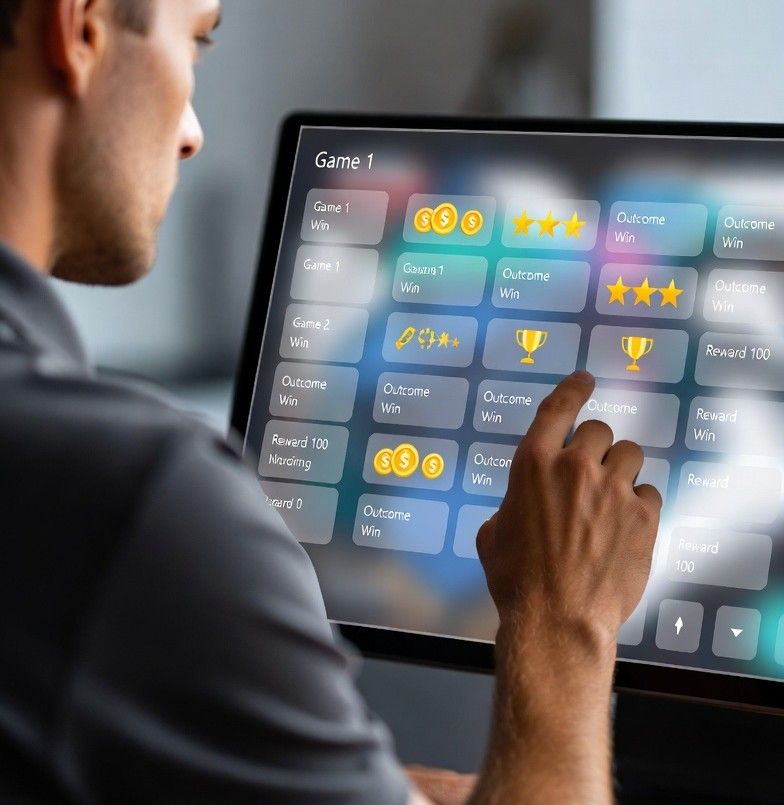
checking transparent game outcomes on a digital ledger

Ever downloaded a shiny new slot app, sat down with a coffee, and wondered if it was secretly stacking the odds against you? That uneasy feeling is familiar to many of us who wander into the world of online slots. Slick graphics, flashy bonuses, and promises of big wins are everywhere, but how do you know the game is really fair?

That’s where blockchain could change the game. It’s not just a tech buzzword: it’s a way to make online slot platforms more honest, transparent, and trustworthy. Suddenly, spinning the reels doesn’t feel like a blind gamble anymore.

The Trust Problem in Online Slot Games

Trust is everything when you’re tossing your money into a virtual slot machine. You hope the RNG, or random number generator, isn’t secretly rigged. Big operators, regulated by organizations like the UK Gambling Commission or Malta Gaming Authority, follow strict fairness rules. But brand-new platforms can’t always prove they’re above board.

I’ve had my fair share of “meh” experiences, sites that look professional but make you dig for basic information about game fairness. Your gut starts whispering: “Maybe this isn’t legit.” And, honestly, a lot of players never even bother downloading the app.

How Blockchain Enhances Transparency

Think of blockchain as a giant digital ledger that everyone can peek at, but no one can secretly alter. That’s a game-changer for slot games. Every bet, payout, and spin outcome can be permanently recorded and verified.

Here’s why that matters:

  • Public Records: Every bet and payout sits on the blockchain. You can trace it back like footprints in fresh snow.
  • Smart Contracts: Code that automatically executes payouts if certain conditions are met. No human interference needed.
  • Provably Fair: Players can verify the fairness of game outcomes themselves, rather than blindly trusting the platform.

Blockchain doesn’t make every platform flawless, but it does force honesty in a way traditional systems rarely do.

Case Study: Can New Platforms Actually Use Blockchain?

Some modern gaming platforms are taking transparency seriously. For instance, if you want to explore a platform that emphasizes clarity and fair play, you can try the MZplay download. Features like clear payout rules and verifiable spin outcomes show how blockchain principles could improve online slot credibility. For a broader perspective, you can also look at how blockchain casinos like Bet558 in Brazil are experimenting with similar transparency-first models.

Imagine being able to see every spin outcome on a public ledger. It’s like watching a restaurant chef prepare your meal in real time, you just trust the process more.

Potential Challenges for Blockchain Adoption

Of course, blockchain isn’t magic. There are some hurdles:

  • Learning Curve: Many players have never used digital wallets. Asking them to understand hashes and smart contracts is a leap.
  • Regulation: Gambling laws vary. Some regulators, like the Australian Communications and Media Authority, are still figuring out how to classify blockchain-based games.
  • Payment Integration: Not everyone wants to convert fiat to crypto just to play slots. Most people prefer traditional banking methods.

For mass adoption, blockchain platforms need smooth bridges between crypto and everyday money tools.

The Future of Blockchain in Online Slot Games

I’m optimistic. In five years, “provably fair” blockchain verification could be as common as free spins today. Picture logging in and seeing a badge next to every game that says “Verified on Blockchain.” That small signal builds trust instantly.

Players crave fairness. They want to know a jackpot isn’t just a random miracle but a verifiable outcome recorded on a ledger everyone can audit. Peace of mind is priceless when you’re betting your own cash.

Conclusion

Online slot games are more popular than ever, but trust and transparency remain big issues. Blockchain won’t solve every problem, but it offers a tangible way to bring honesty and clarity to the process. It’s like swapping a locked box for a glass vault: you can see everything inside.

If you’re curious how new platforms are embracing transparency, check out the mzplay download and see how they’re experimenting with fairness-first features. The future of trustworthy online slot gaming might be closer than you think.

Next time you spin those reels, wouldn’t it be nice to know you’re spinning on a level playing field?


Blockchain Transparency: Redefining Trust in Online Gambling

Blockchain is not a buzzword, it is quickly transforming the online gambling sector making this prospect a reality. With the online gambling business that is constantly growing, one of the largest concerns of the players will be trust. Do game results have any justice? Are transactions secure?

The current generation of players desire beyond glitzy bonuses, verifiable equity, immediate money payouts and safe playgrounds that make them feel in control.

Openness in Decentralized Registries

An online gambling dashboard with blockchain visual overlays — digital ledgers, smart contract icons, and secure cryptocurrency transactions illuminating a casino interface.

Decentralized ledger of blockchain makes all the game outcomes and traces of the transactions traceable and immutable. This is compared to the traditional systems where internal systems determine the results. Under closed doors, players in blockchain-enabled gambling games are able to do this independently by accessing transaction hash stored on public lists. This eliminates suspicion and confidence, especially among the gamblers who previously doubted the issue of randomness and the unbiasedness in the hands of operators.

Smart Contracts: Trusting Automation

The other radical aspect that blockchain is introducing to online gambling is smart contracts. It is a type of self-executing code that can cause actions to take place when the criteria are fulfilled. Since these rules are defined in the form of a code, they cannot be changed after they are deployed.

Added Security and Identity Protection

Along with the sense of fairness, blockchain enhances security by eliminating critical areas of failure. Conventional gambling places save money and individual information on centralized servers that are enticing to hackers. On the other hand, blockchain depends on distributed networks and cryptography, which has reduced the chances of theft or fraud by a large margin.

With cryptocurrencies added to it, players also have a higher level of pseudonymity. It means that the personal information is not related to betting transactions without their consent. This is an attractive point to privacy conscious users.

Conclusion

Online gambling has never been a paradigm shift and blockchain technology is more than an upgrade. Platforms are establishing a new standard of trust and fairness through immutable ledgers, automation of smart contracts and an increase in security. To the players who want to be transparent, fast, and have their integrity verifiable, blockchain does not present a hope, but evidence. With the developing industry, the use of the blockchain-based gambling is likely to become a norm. It is not a niche as a safer and more engaging experience to all.

From Free Streams to Crypto Wagers: How Live Sports Access Shapes the Future of Online Betting

vibrant stadium streaming live sports to a phone

The Shift to Online Viewing

More than half of sports fans now watch events online rather than through traditional TV networks, a shift that is reshaping how audiences engage with live competition and how markets such as online betting evolve.

Free Streaming Platforms and Instant Access

Across the web, sites like Royal TV (로얄티비) offer instant access to live games from football to basketball. These platforms are part of a larger trend in free live streaming. Viewers can jump into matches with a tap on their phone or a click on a browser tab. That immediacy is becoming a driving force for the next wave of online sports finance, especially in areas where blockchain technology and betting intersect.

Real-Time Feeds Fuel In-Play Betting

Live sports feeds have always been valuable to broadcasters. Today they are equally crucial to live betting markets. When fans have real-time access to a game, they are more apt to place bets as the action unfolds. In a traditional setting, there is often a delay between what viewers see and when odds adjust. But free live streams, combined with fast-data services, are narrowing that gap. The result is a more fluid and engaging betting experience.

Cryptocurrency Betting on the Rise

Cryptocurrency platforms are paying close attention. Unlike standard sportsbooks, crypto-based betting services run on blockchain networks that can settle wagers within seconds. This speed matters when odds swing on a single play or a last-minute penalty. Fans who stream games live are already tuned in emotionally. The ease of placing a quick crypto bet enhances that engagement.

Decentralized Finance and Sports Wagering

The numbers back this up. Over the past few years, decentralized finance projects tied to sports betting have attracted increasing liquidity. Users stake crypto to participate in prediction markets and automated betting pools. For some, the appeal lies in transparency. Blockchains make it possible to track every transaction on a public ledger. For others, it’s about speed and lower fees compared with traditional sportsbooks.

The Power of Live Data Feeds

A second trend is the use of live data feeds. These are real-time streams of statistics, scores, and play-by-play information. Betting platforms use this data to update odds rapidly and to power in-play wagering options. Some emerging services even offer smart contracts that trigger payouts automatically when conditions are met, like when a team scores a certain number of points. Developers see these feeds as a crucial building block for trust in decentralized markets.

Challenges and Regulatory Concerns

Critics, however, raise concerns. Unregulated free streams can create piracy issues and put pressure on legitimate broadcasters. There are legal implications, especially in regions with strict licensing rules. In addition, the integration of crypto betting carries risks tied to volatility and user protection. Sudden shifts in token prices can lead to unpredictable outcomes for users who have staked funds on a live event.

Enhancing Safety and User Experience

Supporters argue that better regulation and improved technology can mitigate these issues. Several platforms are experimenting with identity verification and responsible betting tools built right into their interfaces. The idea is to give users a safer environment while preserving the freedom and speed that crypto betting promises.

Fan Tokens and Interactive Experiences

For players and viewers alike, the future looks interactive. Some sports teams are exploring fan tokens that allow holders to vote on team-related decisions or earn rewards linked to performance. These tokens can integrate with betting ecosystems, creating an experience where fan participation influences financial incentives. This convergence of fandom, finance, and live access may redefine how we think about sports as entertainment and investment.

Social Engagement and Community Betting

Instant access to matches via free streaming sites and fast-data networks is also driving social aspects of betting. Live chats, shared highlights, and community prediction leagues are bringing people together in new ways. Fans gather around real-time events and simultaneously discuss strategy, odds, and outcomes. This social layer deepens engagement and can drive more traffic to crypto betting platforms.

READ ALSO: From Free Streams to Crypto Wagers – How Live Sports Access Shapes the Future of Online Betting

The Future of Live Access and Betting

Yet success will depend on balance. Platforms must protect users and respect intellectual property rights while offering the speed and transparency that modern audiences expect. As blockchain technology evolves, so will frameworks for fair play and secure transactions. When that happens, live sports access and real-time betting could align in ways we have only begun to imagine.

Ultimately, the blending of free live streams, crypto wagering, and decentralized betting markets has the potential to transform online sports finance. Fans who access games in real time may soon find themselves at the center of dynamic markets that respond instantly to every kick, throw, and goal. The future of online betting is already unfolding, and live access is a key part of the story that will shape it.

Final Thoughts

Even as the industry grows, platforms that once simply streamed games may find themselves at the center of broader financial experiences tied to competition and community, proving that how we watch sports can influence where the market goes next.

In this rapidly changing environment, Royal TV represents just one example of how instant access can intersect with emerging technologies and markets. As these trends mature, fans and bettors alike will be watching closely to see where the next opportunity arises. Royal TV reminds us that streaming and betting advancements often walk hand in hand.

 
𐌢